North Cyprus enjoys a Mediterranean climate with hot, dry summers and mild, occasionally wet winters. This seasonal variation means your property needs different care throughout the year. Here is our comprehensive month-by-month guide.
Spring: March to May
March: Begin spring cleaning. Check for any winter storm damage to roofs, shutters and exterior paintwork. Service air conditioning units before the heat arrives. Start garden irrigation systems and check for leaks.
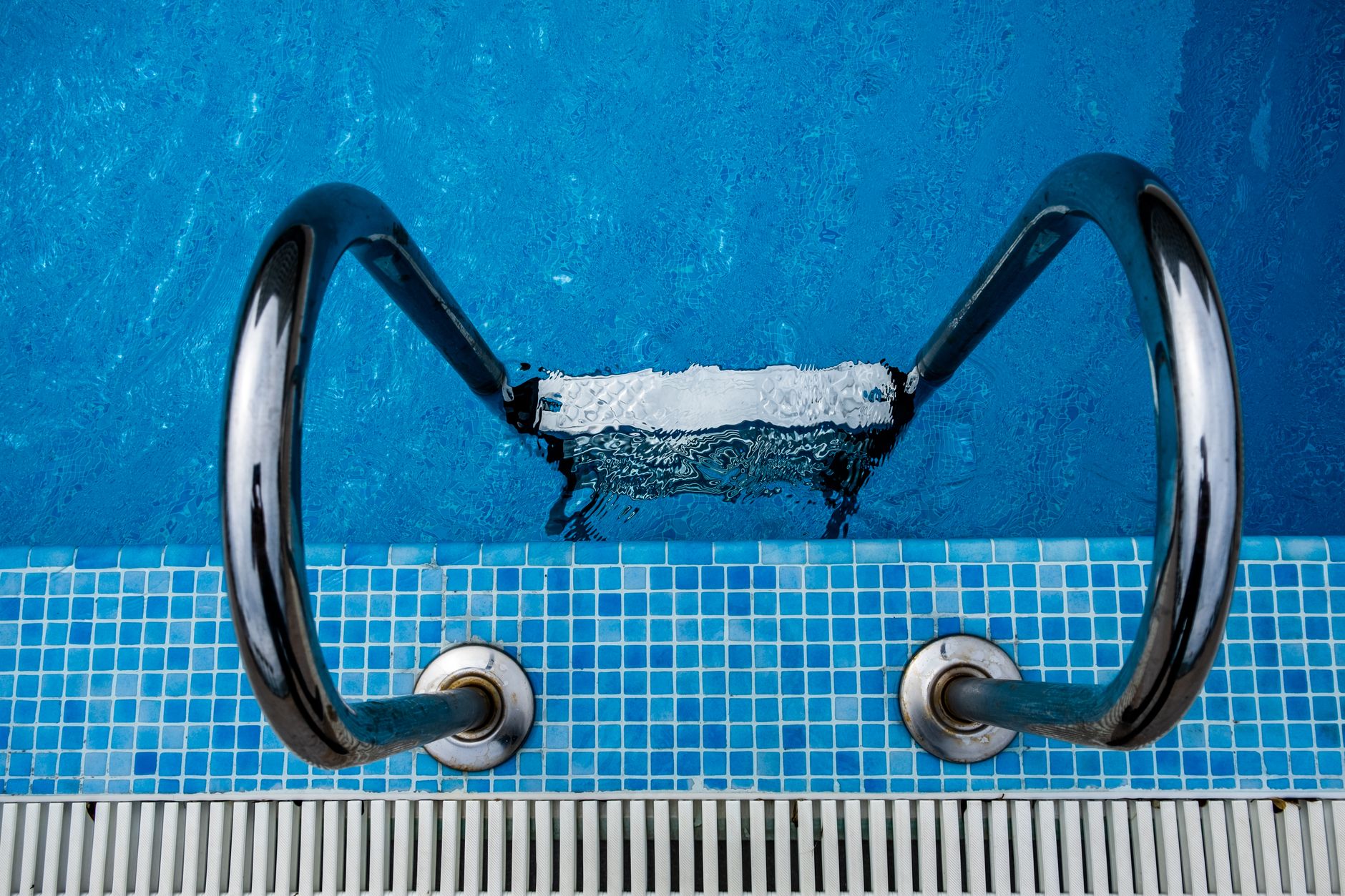
April: Open and prepare swimming pools. This includes draining winter covers, deep cleaning, chemical treatment, and equipment servicing. Plant summer flowers and treat gardens for pests. Check insect screens on all windows.
May: Final pre-summer preparations. Deep clean the entire property including outdoor furniture and terraces. Stock essentials for owner arrivals or first guests. Test all electrical appliances and replace any worn items.
Summer: June to August
June: Peak season begins. Pool maintenance shifts to twice-weekly cleaning and daily chemical checks. Increase garden watering frequency. Ensure all fans and air conditioning units are functioning optimally.
July: Highest occupancy month. Guest turnover cleaning must be meticulous. Monitor pool chemistry closely in extreme heat. Water gardens early morning or late evening to reduce evaporation. Watch for any plumbing issues caused by increased water usage.
August: Continue peak season protocols. Late August storms can occur so ensure gutters are clear and outdoor items secured. Begin planning autumn maintenance reviews. Check sun damage to external paintwork and wood.
Autumn: September to November
September: Season begins to wind down. Reduce pool heating and begin considering winterisation timeline. Deep clean after summer usage. Review and repair any wear from peak season.
October: Close pools for winter. This involves proper chemical treatment, equipment shutdown, and covering. Reduce garden irrigation. Service boilers and heating systems before winter. Check roof tiles and guttering before rain season.
November: Full winter preparation. Drain exposed pipes if property will be unoccupied. Set heating to frost protection levels. Secure all shutters and external doors. Final garden pruning before winter. Conduct thorough property inspection with detailed photo report.
Winter: December to February
December: Focus on security checks and storm monitoring. Inspect property after any heavy weather. Ensure heating is functioning and pipes are protected. Check for damp and mould, particularly in unoccupied properties.
January: Coldest month, though rarely below 5C. Continue regular security patrols. Monitor for roof leaks during rainy periods. Ventilate property regularly to prevent mould even if unoccupied.
February: Begin planning spring opening. Book air conditioning servicing early. Order pool chemicals and garden supplies. Review the past year's maintenance log and plan any renovation works for the quieter spring period.
Why Professional Seasonal Management Matters
Missing seasonal tasks can lead to costly damage. An unserviced pool can cost thousands to restore. Undetected roof leaks cause interior damage. Neglected gardens become overgrown and expensive to recover.
Our management packages include all seasonal tasks appropriate to your tier. Every owner receives detailed photo reports after each inspection, keeping you fully informed about your property's condition throughout the year.